

Game Project 1
Little Sprout
Level and Gameplay Design
Unity

Team of 14 People
3 Weeks
Puzzle Platformer


Project Brief
Little Sprout is an auto-run puzzle platformer where the player climbs a tree by solving the puzzle challenges around it. We had an assigned target audience of players between 10-12 years of age and a theme of forest.
As the game is designed for the Xbox Accessibility Controller, the entire game only uses two buttons; both in menus and gameplay.
Gameplay
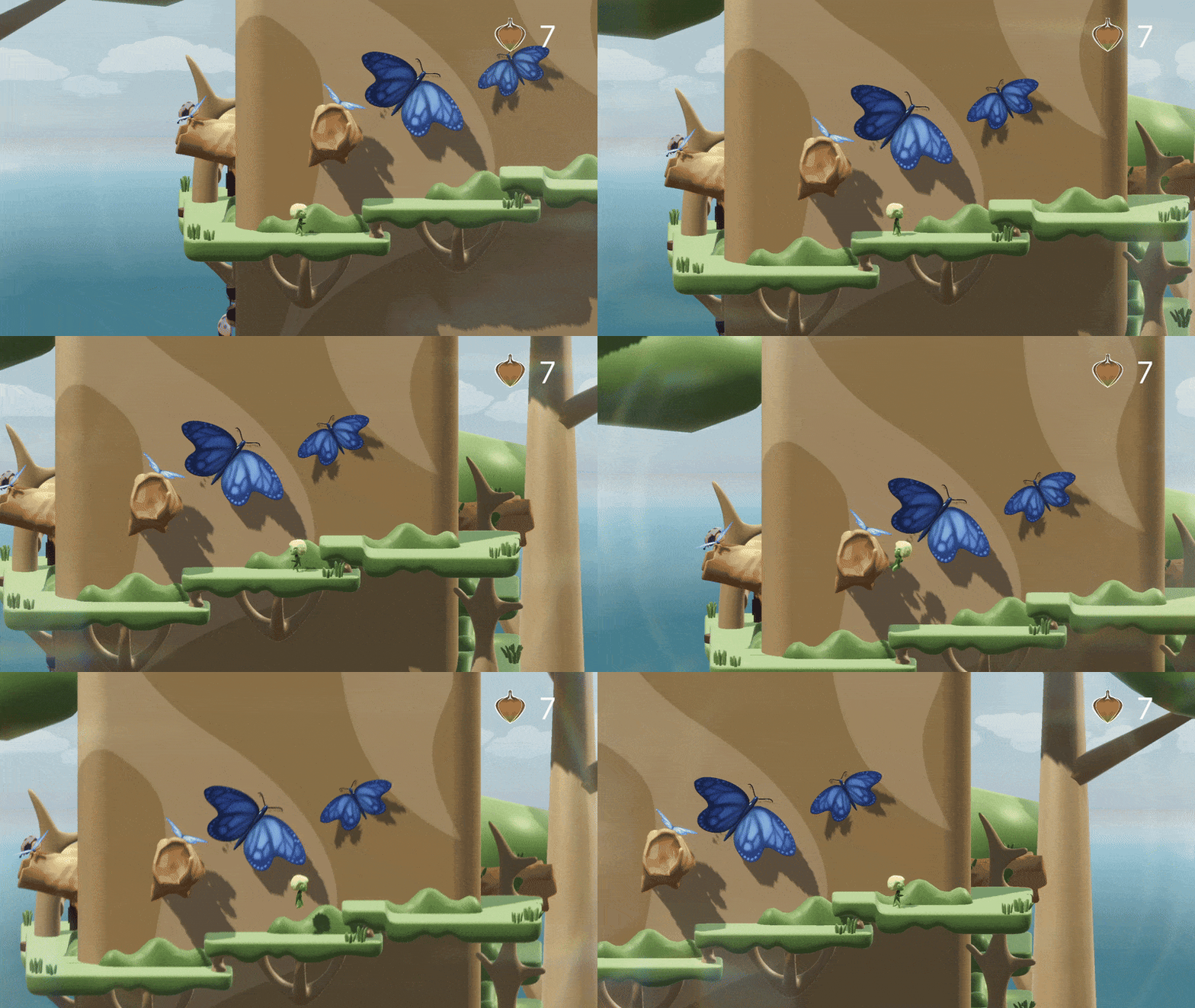
Little Sprout challenges the player through puzzle and timing challenges, the player must figure out how to proceed while the character runs automatically. The player has two inputs; one makes the character jump, while the other controls vines in the level.

Player Character
The character runs forward automatically and
turn around when hitting a wall. The only direct control of the character the player has is jumping.
Vines
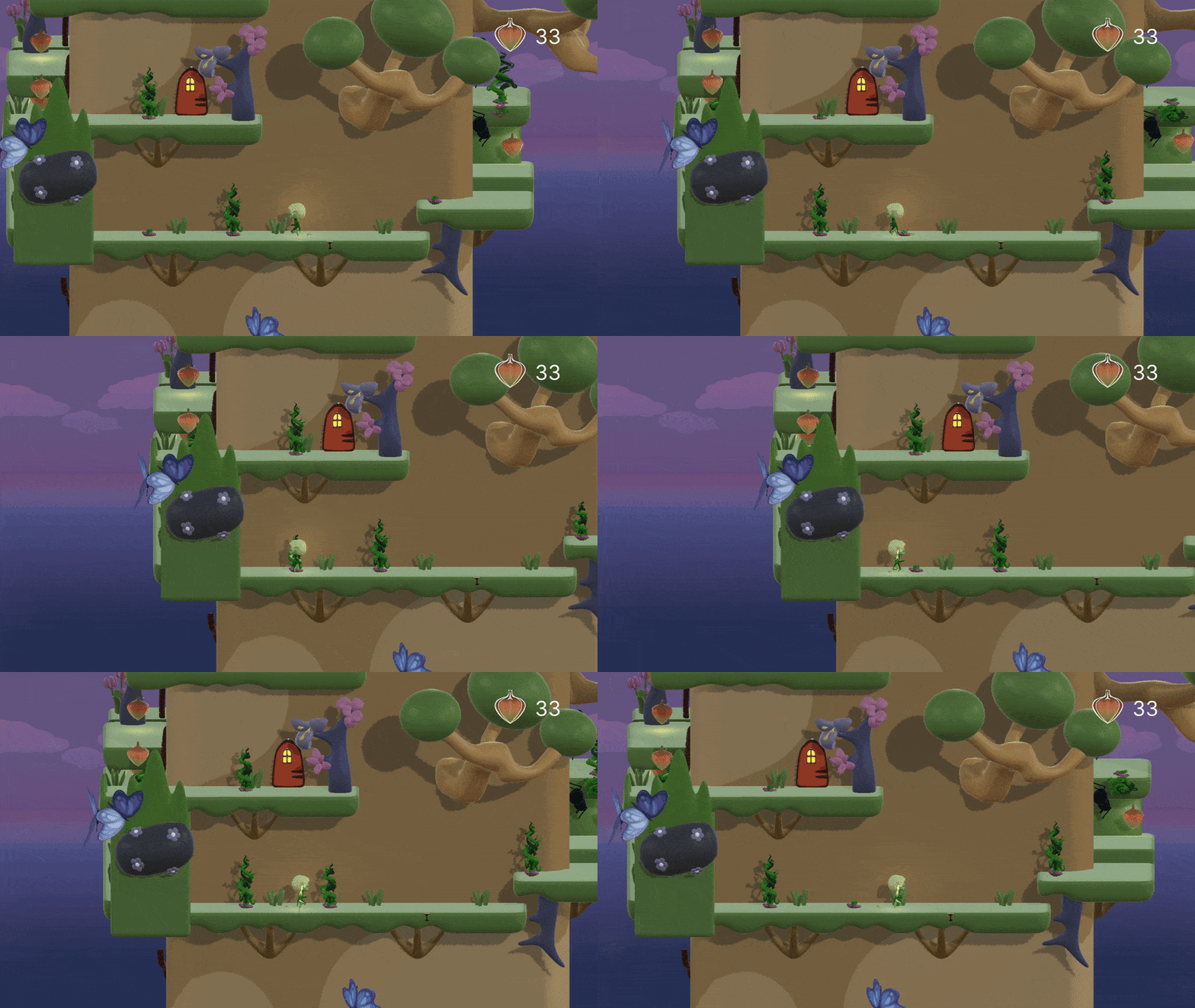
Vines are walls or platforms found in the level, they are either activated or deactivated. Through pressing the other button, the player can make all of them move at once.
Levels
The levels are divided into four phases, each taking place on different sides of the tree. Once the player makes it through all four, they move onto the next level.
Accessibility played a big role in the level design as well; we designed the challenges around not requiring too quick inputs or reactions to ensure that players could press the buttons in time.
Puzzles
The puzzles are based around the player's limited movement options, challenging them to use the jump and vine abilities at the right timing to find their way forward.

Showing the end
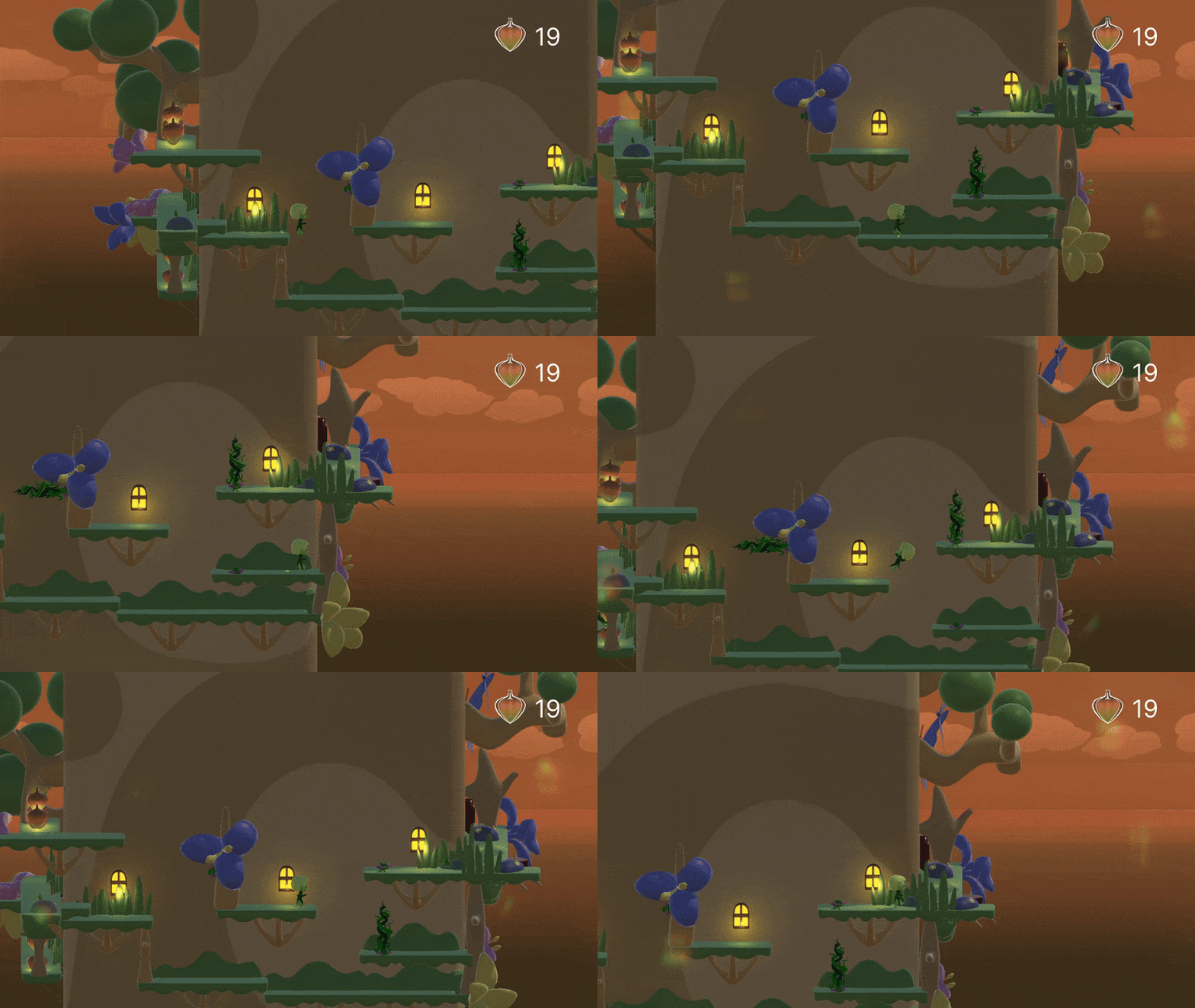
The goal is visible from the start in every level but is unreachable from where the player starts. This is done to give the player a clear destination and a feeling of solving the problem of reaching it.
Progression
The game slowly introduces its mechanics and gameplay features to ensure the game is easy to pick up. The game waits with introducing gameplay elements like the vine mechanic to not overwhelm the player, allowing them to process what they have learned.
No fail state
To make the game more forgiving, we decided not to feature any failstates so players don't lose their progress. The only punishments for missing inputs is that the character turns around, allowing the player to go back and try again.
My Levels
I made two of the game's six levels, where I worked on both teaching mechanics and challenging the player with them.
The First Level
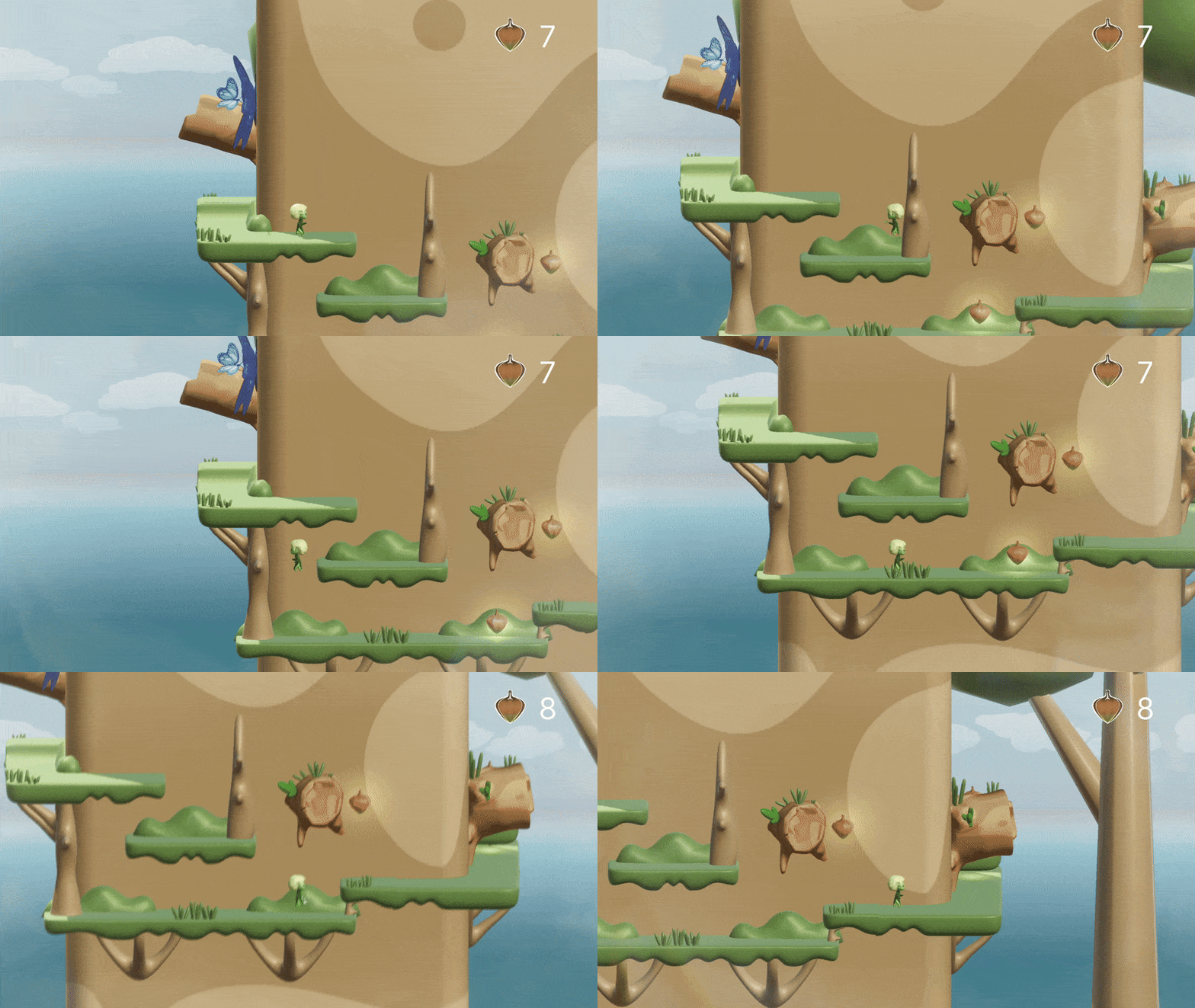
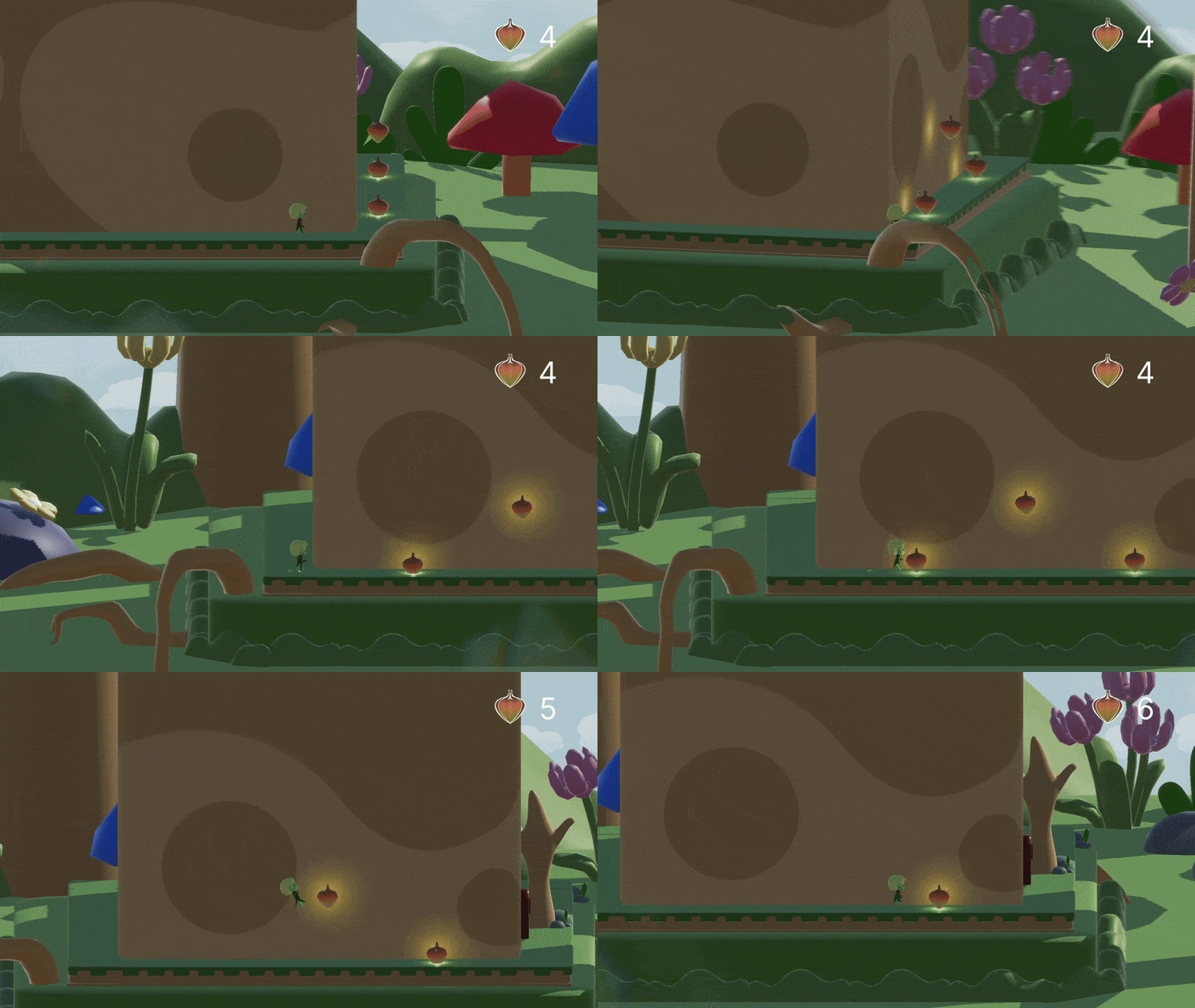
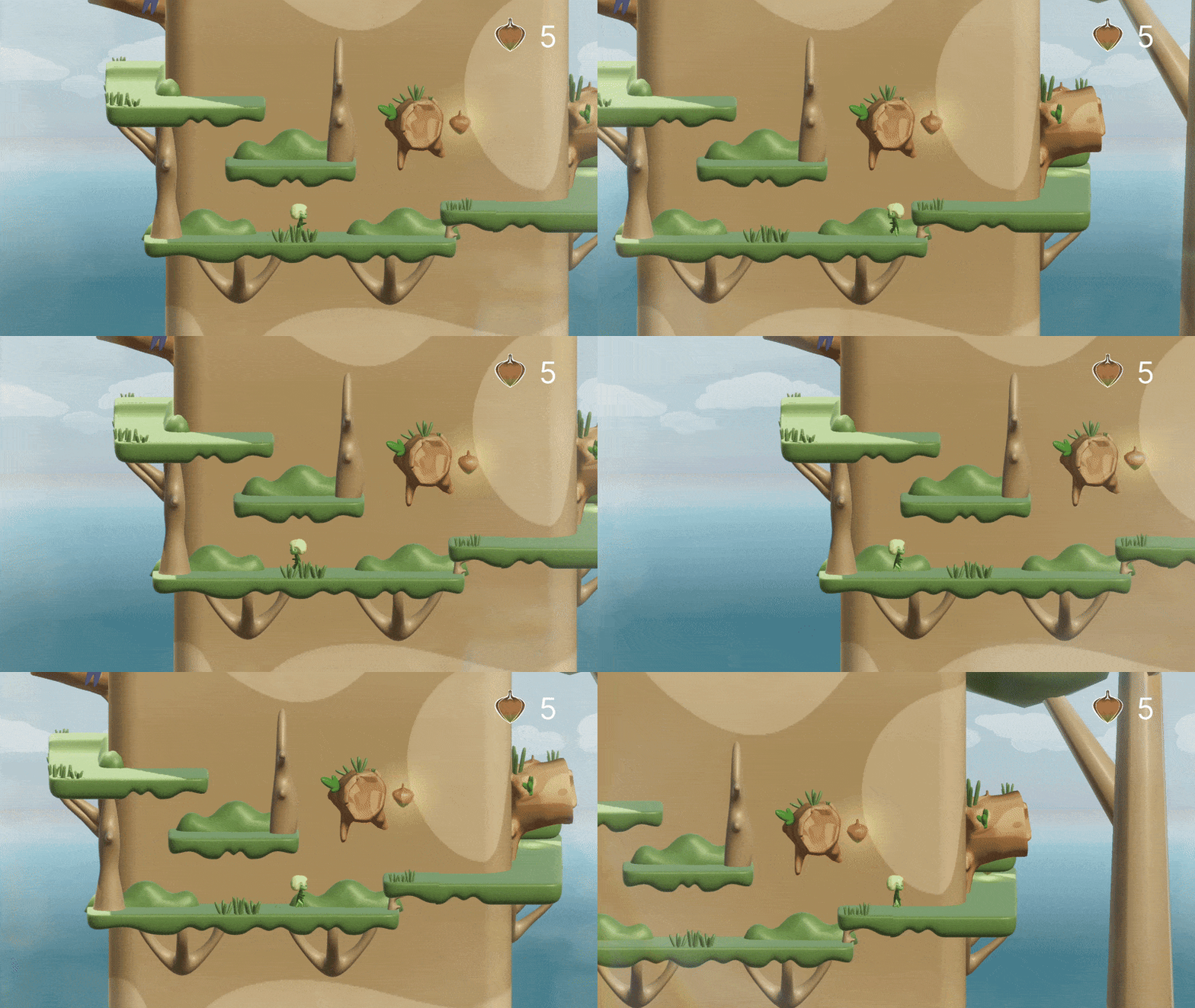
This level focuses on giving the player a feel for the character's move speed and teaching the jumping and camera mechanics. It features no real challenge to allow the player to get accustomed to the unusal rules of the game.
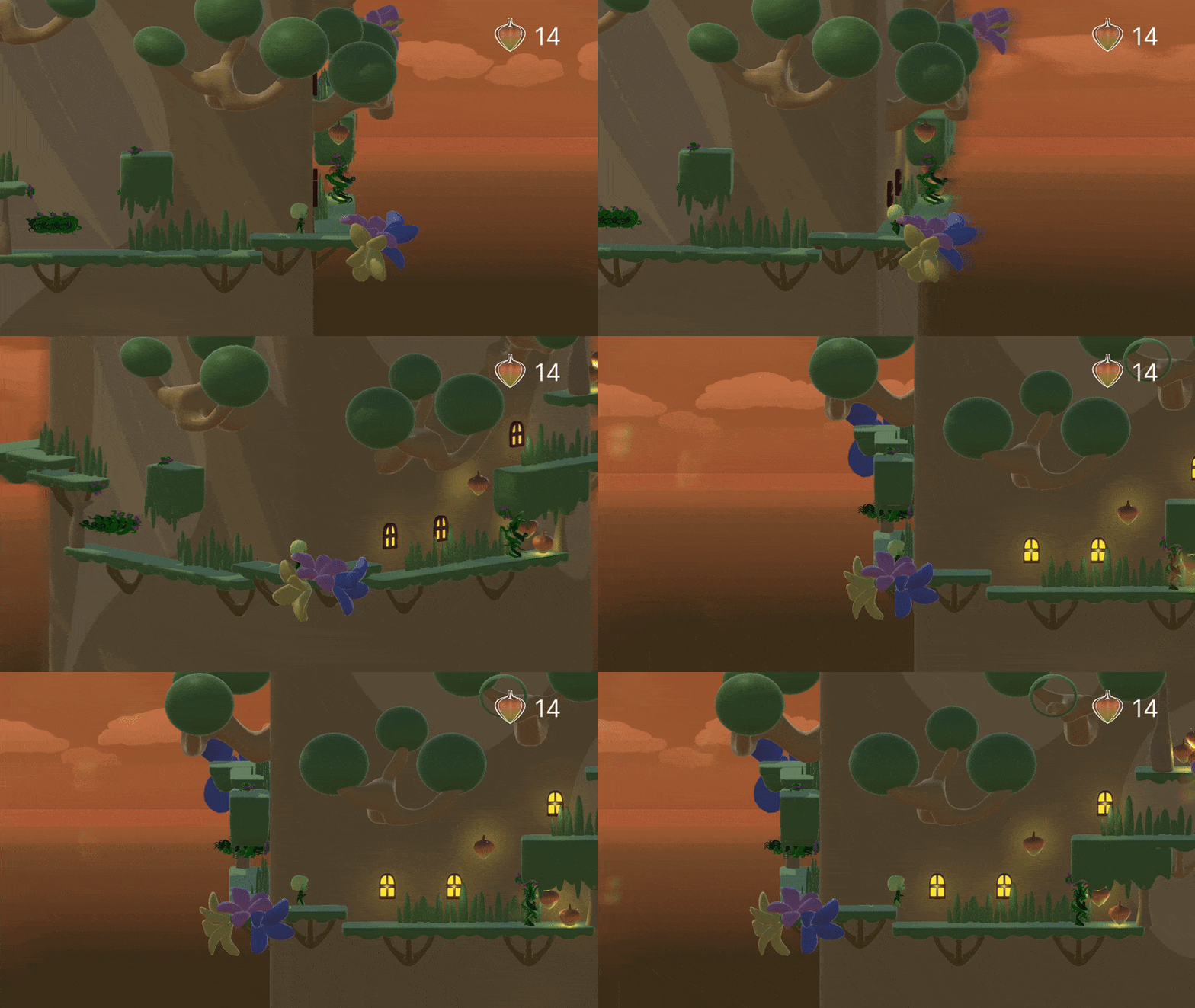
Level 4 is the other level I made and is more in depth as it is a mid-late stage in the game and features challenges using all the game's mechanics.
The Fourth Level
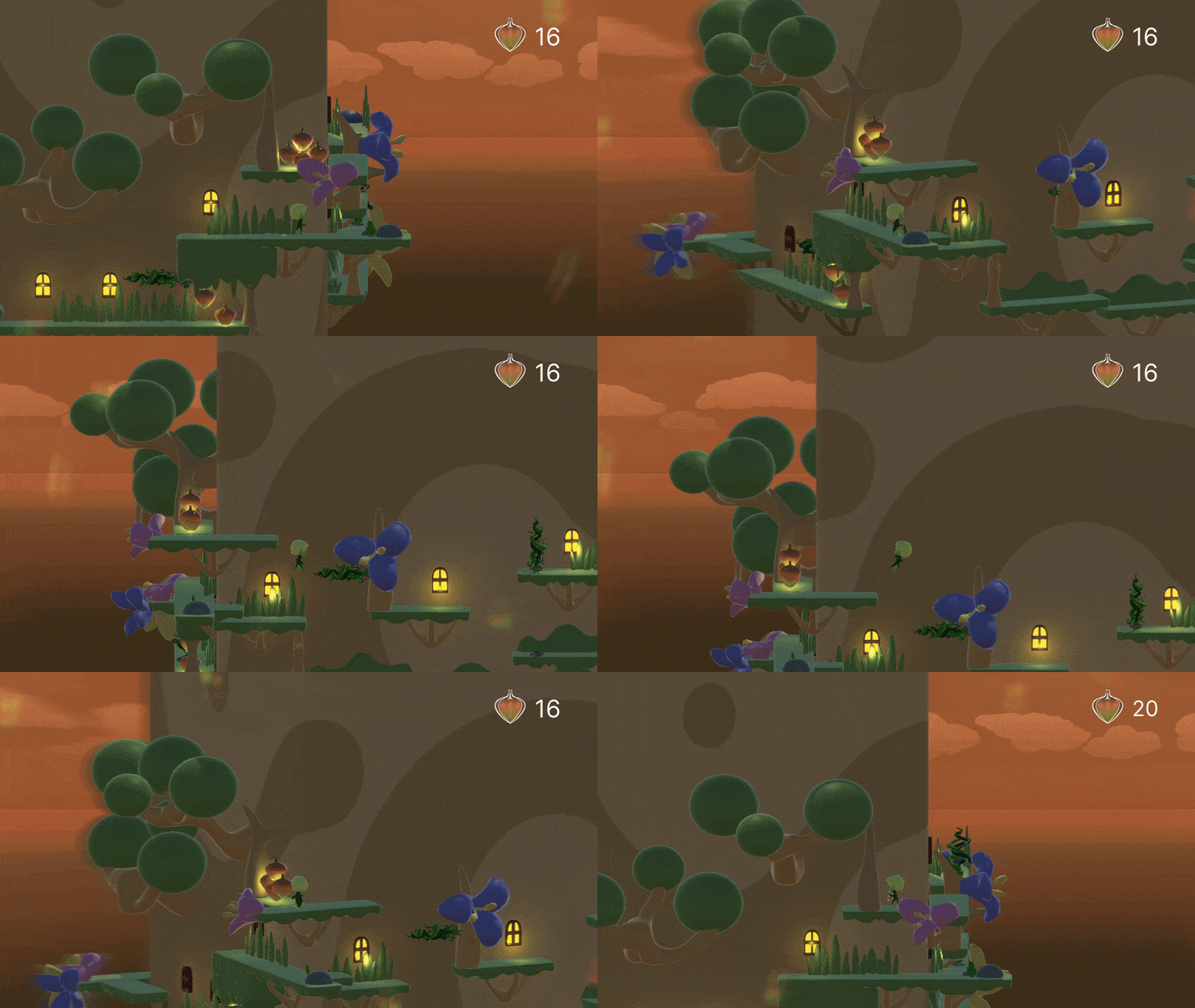
The focus on the level's challenges are to deactivate walls to open the path forward while platforming. When designing the challenges I aimed for an intensity level between the levels that came before and after it to find an appropriate difficulty.
Optional Challenges
As part of the main challenges I added optional ones for players looking for extra challenge. This was a fun way to include more difficult sequences without raising the level's difficulty or demands of the player.
Process
In the project's early stages we were discussing and ideating about how the game would work. To explore these ideas we would make sketches in our notebooks and share with each other. Once we had the idea of the levels having four phases around the tree we did some paper prototyping to visualise it, where we cut out squares of paper to imitate the shape of the tree.


We worked closely within the design team, practically sharing roles as both gameplay and level designers. We all contributed with gameplay ideas and would go on to make our own levels.
Iterations
The main iteration we made to the game was to combat the biggest source of frustration for players; involuntary backtracking.
The Issue
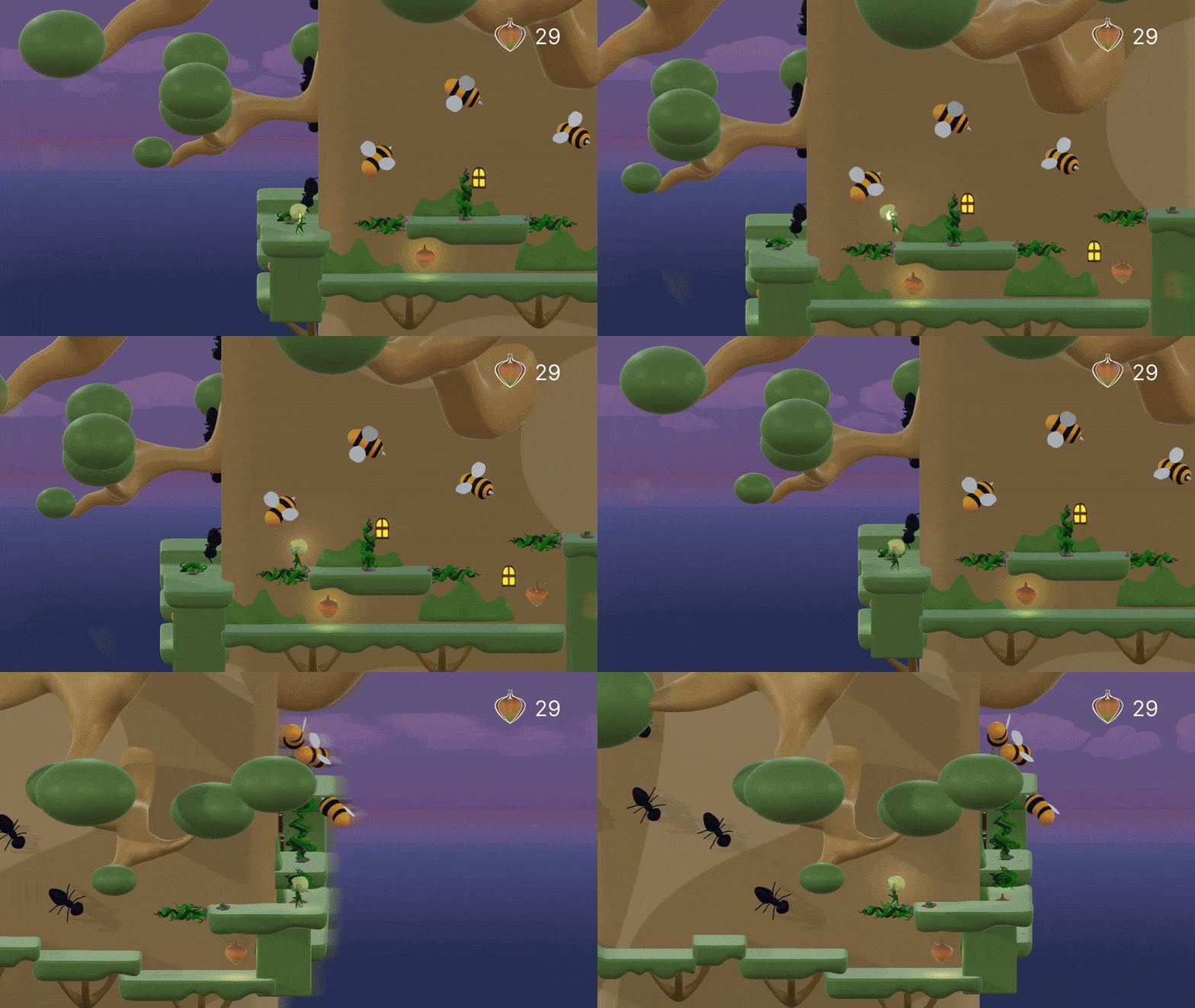
As we did not have a failstate, the punishment of failure meant the character would turn around. However, sometimes this led to substantial loss in progress/time as the character went backwards.
We combated this issue with two adjustments to the level design; making the levels bigger and including more opportunities to turn back around.
The Solution
The increased size of the levels made the input timings less strict and reactions less demanding, making it easier to not lose progress. The increased opportunities to turn back around made it easier to recover lost progress.
Reflection
I am happy with this project; players were able to pick up the game easily and the puzzles were well received as they provided challenge without too much frustration.
There are some aspects that could have been improved; the collectables do not have any real gameplay impact and the involuntary backtracking felt a bit too punishing at times even though we improved on it.
But I think the game turned out well; the mechanics made for interesting levels while still being easy to grasp and we brought it to a nice level of polish for the time given.